The Dirty Secrets of Tech and Cybersecurity Creators
The Clickbait Circus: How Tech Creators Play You Like a Fiddle

The Clickbait Circus: How Tech Creators Play You Like a Fiddle
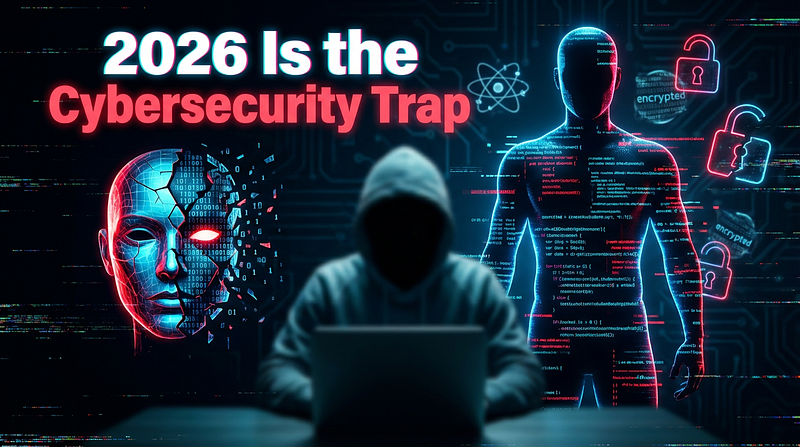
Let’s be honest: if you’ve scrolled through your feed lately, you’ve probably been ambushed by some dramatic thumbnail of a guy or maybe even a girl with weird facial expressions and using the words “THE INTERNET IS NOT SAFE ANYMORE ”, “YOU NEED TO LEARN THIS TOOL RIGHT NOW” , or some say “I HACKED THIS WEBSITE LEGALLY IN 2 SECONDS” slapped across it.
That’s not an accident. That’s a perfectly engineered click-trap designed to poke your curiosity, stir your anxiety, and make you tap before your brain has a chance to say “wait, what?”
These creators have mastered the holy trinity of digital manipulation:
- Curiosity bait: “You won’t believe what this simple script can do!”
- Urgency bait: “Do THIS before it’s too late!”
- Fear bait: “Hackers can now steal EVERYTHING from your phone!”
They sprinkle in vague buzzwords like “dark web” “AI malware” and “legal hacking” to make it sound like your refrigerator is already compromised and plotting against you. And yes , it works like a charm. Because while you’re there clutching your router in existential dread, they’ve already won: the click is theirs.
The Psychology Behind the Bait
Here’s the uncomfortable truth: our brains are wired for survival, not logic. When you see “Your data may already be stolen” your amygdala does a little freak-out dance. You don’t stop to verify , you click. Fear is an ancient mechanism. Tech creators simply dressed it in weird guy face opening his mouth or a girl using her smile as a bait to make you click and gave it a thumbnail.
Then comes curiosity, the itch that whispers, “What if this one is actually important?” That’s the emotional cocktail they serve. A dash of panic, a drop of mystery, and a full glass of urgency. And you, a perfectly rational human being, are suddenly watching a 12-minute video about a fake ransomware exploit that turns out to be some recycled news from 2018.
This is the “One Trick Your ISP HATES” or “The Secret Setting Apple Doesn’t Want You to Find.”
They create an information gap and position themselves as the gatekeepers to a powerful secret. The reality? It’s usually a command line trick that’s been on a Stack Overflow forum for eight years. They’re not whistleblowers; They’re just really good at using Google and even better at marketing.
Why They Do It: Views, Money, and Ego
Let’s not sugarcoat it. Fear sells. Urgency sells. Curiosity sells. Every click means more watch time, more subscribers, more this creator is blowing up emails from brands. These guys aren’t teaching you out of the goodness of their hearts , they’re gamifying your curiosity into revenue.

The more shocking the title, the more explosive the engagement. And once they’ve hooked you with “HACKERS CAN ACCESS YOUR BANK WITH A SINGLE KEYSTROKE!” they’ll spend the next ten minutes reading from a blog post you could’ve Googled yourself. Except they’ll say it with “cyber urgency voice” you know the one.
We are all slaves to the Algorithm. YouTube, as a platform, doesn’t reward nuance, depth, or accuracy. It rewards engagement.
A calm, measured video titled “A Technical Analysis of the Log4j Vulnerability” will get a fraction of the views of “PATCH YOUR SERVER NOW”
The platform is a ravenous beast that demands constant tribute in the form of clicks, watch time, and interaction. If you don’t play the game, you become invisible. It’s a slow, corrupting process. You start with good intentions, but then you see a video with a slightly more dramatic title perform 10x better. So you tweak your next title. Then you start doing weird expressions on your face and put in the thumbnail.
Because you know, with absolute certainty, that it will translate into better performance, more ad revenue, and bigger sponsorship deals. It’s a race to the bottom, and the brakes were cut long ago.
The Hypocrisy
Here’s the twisted part. Many of these so-called “Cybersecurity creators” will publicly shame corporations for spreading FUD (fear, uncertainty, doubt) but will happily package the exact same thing in a thumbnail to farm your engagement. They’ll tell you don’t fall for scams , right before they sell you their own COURSE or DISCORD access.
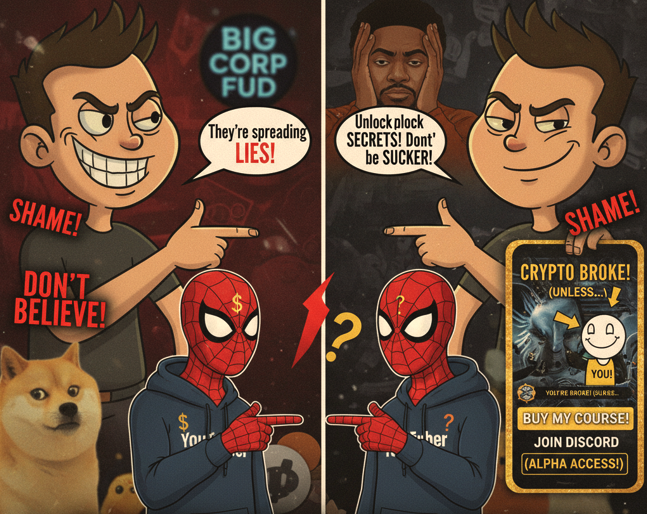
They condemn media sensationalism but thrive on it. They claim to be educators, but the lesson is rarely about cybersecurity. It’s about mastering the art of manipulation.
They will produce a 20-minute on CORPORATE HYPOCRISY, while their own channels and affiliate links are riddled with more trackers, Discord links and overpriced courses than a bloodhound convention.
They’ll warn you about state-sponsored surveillance and then promote a VPN with a sketchy privacy policy because their affiliate payout is the highest in the industry.
How to Spot the Real Ones
There are real cybersecurity creators out there , sharp, ethical, and grounded , the kind of people who don’t need strange facial expressions or girly smiles on thumbnails to make you pay attention.
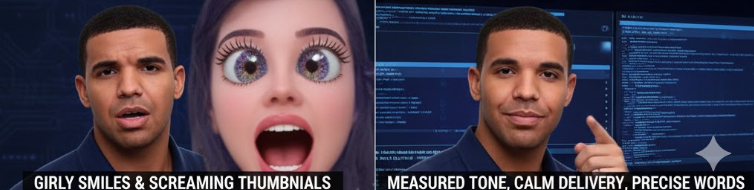
These are the folks who respect their audience’s intelligence, not prey on their survival instincts. And if you know what to look for, they’re surprisingly easy to spot.
Real experts don’t need to use vague and ambigious titles in their videos.
Their content doesn’t start with “I HACKED THIS SERVER LEGALLY” it starts with “How Hackers USE XSS TO HACK WEBSITES”
Their tone is measured, their delivery calm, and their words are precise.
They don’t dress every vulnerability like it’s the next digital apocalypse , they give it context. Real security pros know the difference between a CVE that matters and a CVE that’s just some poor intern’s misconfigured dev server in Wisconsin.
They’ll tell you what’s worth worrying about, and what’s just noise amplified by a thumbnail with flames in the background.
They teach rather than tease.
You’ll notice something magical with real educators: they don’t dangle words to keep you hooked. Instead, they hand you knowledge like a toolkit. They walk you through what happened, why it matters, what the technical implications are, and how it actually affects your life , if at all.
They talk about mitigations, not just headlines. They explain concepts like privilege escalation, lateral movement, or supply-chain risk without needing to scream “HACKERS ARE IN YOUR FRIDGE.”
They empower, not terrify or exploit your curiosity. That’s the difference between a teacher and a merchant.
They give context and admit uncertainty.
Genuine experts aren’t allergic to nuance. When a zero-day surfaces, they don’t act like they have a secret briefing from a shadow government.
They explain what is known, what is suspected, and what is still under investigation. They don’t pretend to have mystical insider knowledge because they understand , cybersecurity is messy, fast-moving, and rarely black-and-white. If a creator never uses words like “we don’t fully know yet” or “this is still developing”… that’s a red flag the size of a botnet.
They respect your attention, not hijack it.
You’ll notice real creators don’t stretch a 30-second update into a 12-minute monologue. They get to the point. They prioritize clarity over theatrics. They might not have the most explosive titles , but their content is gold if you actually care about understanding the threat landscape instead of doom-scrolling through it.
They build trust instead of adrenaline loops.
When you follow a genuine creator, you walk away smarter, not shakier. Their content gives you practical takeaways , patch this, check that setting, understand this technique , rather than just “YOU NEED TO LEARN THIS TOOL RIGHT NOW”
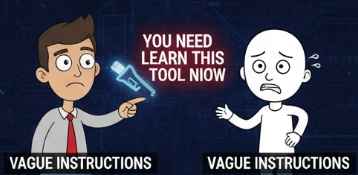
They earn your respect over time because they deliver consistently, they cite sources, and they aren’t afraid to say, “this isn’t a big deal” when it isn’t. That’s a huge difference. Click peddlers want you to depend on them emotionally. Real educators want you to depend on yourself intelligently.
If you want to survive the tech creator hypocrisy, this is the filter you need: who’s giving you clarity, and who’s just there to sell your their courses or to buy your click
The first group builds stronger communities, smarter audiences, and a more resilient security culture. The second group builds clicks, watch time, and bank accounts. One of them deserves your attention , the other deserves your scroll.
AND OF COURSE
A genuine creator will show you the code, walk you through the terminal commands, and explain the why behind the what.
The faker will just show you an outdate vulnerable lab from the 1990s installed on VMWARE and claim it a hacking video.
Check their sources. Do they link to official CVE reports, academic papers, and well-regarded security blogs, or do they just link to their sponsor and their overpriced courses?
AT THE END
We all need to somehow pay our bills but its not hard to do so while delivering real value and contributing positivley with actual knowledge instead of just using misleading titles, crappy lab demos and empty 30 mins videos.