Lumma Stealer 2025 | Full Breakdown of the Infostealer That Shook the World
Introduction

Introduction
Imagine a cybercrime toolkit so effective it could steal the digital keys to thousands of companies, government agencies, and personal accounts across the globe. Imagine it was sold as a simple subscription service, empowering a whole army of hackers. And imagine that even after a massive international takedown, it started to reappear, like a ghost in the machine.
That’s the story of LummaC2, also known as the Lumma Stealer. It’s not a tale of complex, movie-style hacking; it’s a story of how industrial-scale password theft became a business, and what it means for all of us.
What Exactly is Lumma Stealer? The Criminals’ Toolkit
At its core, Lumma is a type of malicious software known as an infostealer. Its one and only job is to sneak onto a computer and steal valuable information, especially:
- Login credentials and cookies from your web browsers.
- Data from cryptocurrency wallets.
- Information from apps like Telegram.
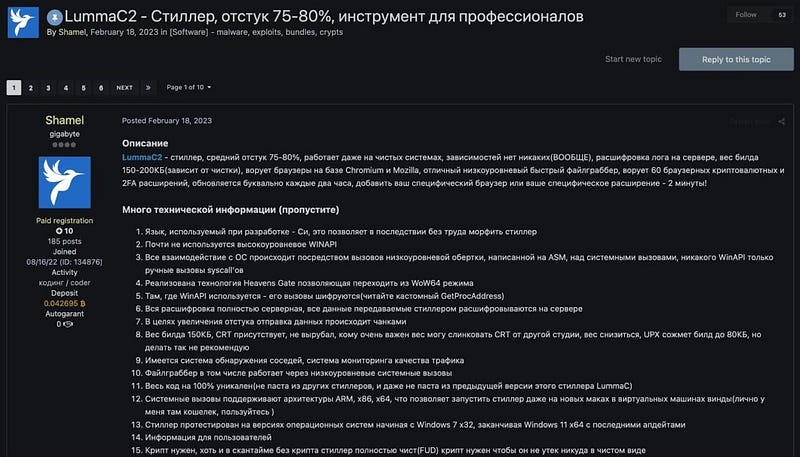
But the real genius behind Lumma was its business model. The developer, a Russia-based figure known as “Shamel,” didn’t use the tool himself. Instead, he sold it as a Malware-as-a-Service (MaaS) package.

Who Got Hurt?
Between March and May of 2025 alone, Microsoft detected nearly 400,000 infections worldwide. The stolen data became the key that unlocked doors for much bigger crimes.
- For Corporations: Industries from manufacturing and healthcare to finance and telecom were hit hard. Stolen employee logins and session cookies (which act like a temporary keycard, letting hackers bypass passwords and even two-factor authentication) were used for:
- Business Email Compromise (BEC): Tricking companies into sending fraudulent wire transfers.
- Account Takeovers (ATO): Hijacking corporate accounts to steal data or money.
- Initial Access for Ransomware: Selling the stolen logins to notorious ransomware gangs like Scattered Spider, who would then take over a company’s network and hold it hostage.
- For Governments: Lumma wasn’t just a corporate problem. The FBI and CISA warned that it was actively used against U.S. state, local, and tribal governments, and was found across multiple critical infrastructure sectors. This elevated Lumma from a criminal nuisance to a genuine national security risk.

How Does it Get In?
Lumma’s success wasn’t built on a single, brilliant exploit. It relied on a variety of clever tricks designed to fool ordinary people. The most common methods included:
- Poisoned Search Results: Hackers would create fake websites that looked like legitimate download pages for popular software like Notepad++ or Google Chrome. When you searched for these tools, their malicious link would appear high in the results.
- Fake CAPTCHAs: A popular trick involved a fake “I’m not a robot” check. After clicking, a pop-up would instruct the user to press
Win+Rand paste a command to “verify” themselves. This command, of course, was the malware installer. - Phishing Emails & Cracked Software: Classic fake emails impersonating well-known brands (like Booking.com) and trojanized installers for pirated software were also used to spread the infection.
Once inside, Lumma was a master of disguise. It used advanced obfuscation and would often “hollow out” legitimate Windows processes like explorer.exe or msbuild.exe, injecting its malicious code inside to hide from security software.
The Takedown and The Comeback
By May 2025, the world had had enough. In a rare, coordinated operation, the U.S. Department of Justice, Microsoft, Europol, and the FBI struck back.
- On May 21, 2025, the alliance seized or sinkholed (redirected) nearly 2,300 domains used by Lumma to control the malware and exfiltrate data. The brain of the operation was effectively shut down.
For a brief period, infections plummeted. It was a major victory for the good guys.
But the ghost wouldn’t stay gone for long. By June and July, security researchers at Trend Micro noticed Lumma was stirring again. The operators had learned their lesson and were adapting. They began using stealthier infrastructure, relying more on lures from GitHub and YouTube, and distributing the malware through cracked software — methods that were harder to track and take down.
Start learning cyber security by enrolling in courses provided by top universities and tech giants:
How to Stay Safe
The story of Lumma shows that the biggest threats often exploit human behavior, not just technical flaws. Here’s how you can protect yourself and your organization:
- Spot the Traps Before You Click. Be incredibly skeptical of search engine ads and top results for software. Always go directly to the official website to download applications. Treat any website that asks you to run a command to “verify” yourself as malicious.
- Make Your Logins Bulletproof. Use a password manager to create unique, strong passwords for every account. Enable phishing-resistant multi-factor authentication (MFA), like a FIDO2 security key (e.g., YubiKey), wherever possible. This stops hackers even if they steal your password.
- Keep Everything Updated. This includes your browser, your operating system, and especially your security software (EDR/antivirus). Updates often contain patches for the very vulnerabilities that malware tries to exploit.
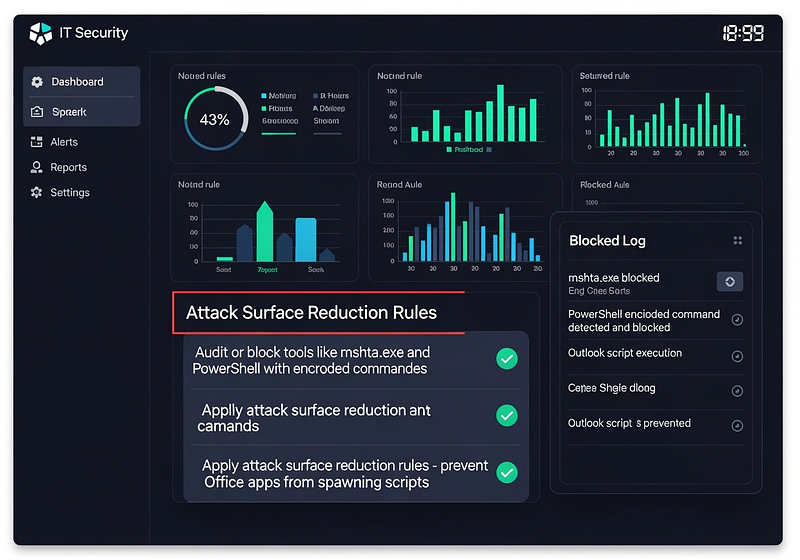
- For Businesses: Tighten the Screws. Restrict the use of powerful scripting tools like PowerShell for regular users. Use advanced email and web filtering to block malicious links and attachments before they ever reach your team.
The Lumma saga is a powerful reminder that in today’s digital world, vigilance is our best defense. The tools of cybercrime are becoming more accessible every day, but by understanding the playbook, we can all learn to spot the traps and keep our digital lives secure.