GIAC Security Essentials Study Guide & Practice Test
What is GSEC?

What is GSEC?
The GIAC Security Essentials (GSEC) certification is a foundational cybersecurity credential offered by the Global Information Assurance Certification (GIAC), which is part of the SANS Institute. It’s targeted at security professionals who want to demonstrate hands-on knowledge of information security beyond basic terminology and concepts.
GSEC is considered an entry-level to intermediate certification, ideal for:
- Security professionals with some on-the-job experience.
- IT professionals transitioning into cybersecurity roles.
- Anyone who wants to validate their practical security skills.
GIAC GSEC Price & Cost
As of 2024, pricing for the GSEC certification is:
- Certification attempt only (exam without training): $949
- With SANS training (includes exam voucher): ~$7,640 (price may vary depending on delivery format: OnDemand, Live Online, In-Person)
GIAC GSEC Exam Details
Exam Format: 1 proctored exam
Number of Questions: Approximately 106–180 questions (variable)
Duration: 5 hours
Passing Score: 73% (may change slightly depending on exam version)
Open Book: Yes (you can bring printed materials; digital/electronic content is not allowed)
Delivery: Remote proctoring (via ProctorU) or at approved testing centers
GIAC GSEC Exam Subjects
The GSEC covers a wide range of security fundamentals, including:
- Networking concepts and protocols (TCP/IP, DNS, etc.)
- Cryptography basics
- Password management
- Access control
- Incident response
- Security policy
- Windows and Linux security
- Wireless and mobile device security
- Web communications and secure protocols
- Vulnerability scanning and basic exploitation
Full topic breakdown is on the GIAC website.
GIAC GSEC Exam Preparation
1. SANS Training (SEC401: Security Essentials Bootcamp Style)
- Delivery: OnDemand, Live Online, or In-Person
- Duration: 6-day course
- Cost: ~$7,640 (includes exam voucher)
- Pros: High-quality instructors, in-depth material, labs, and practice exams.
- Cons: Expensive. Requires time commitment.
2. Self-Study
If you opt to buy only the exam, you’ll need to prepare independently.
Resources to Use:
- GIAC practice tests (two are included with exam purchase)
- Books: “Security+ Guide to Network Security Fundamentals”, “Hacking: The Art of Exploitation”, “Network Security Essentials”
- Online platforms: Cybrary, Udemy (look for GSEC-specific or Security+ content)
- Flashcards and summaries on Quizlet, Reddit threads (r/cybersecurity)
- SANS GSEC Indexes (some freely shared by the community)
Study Plan Tip: Create a detailed index of keywords by book and page number to use during the open-book exam. This is often the difference-maker.
GIAC GSEC Practice Tests
You get 2 practice tests with the exam voucher (even if you don’t buy SANS training). These mimic the actual exam format and difficulty. They’re crucial for:
- Timing your pace
- Identifying weak spots
- Familiarizing with the question structure
Certification Validity and Renewal
- Valid for: 4 years
- Renewal: 36 CPEs (Continuing Professional Education) and a $469 renewal fee
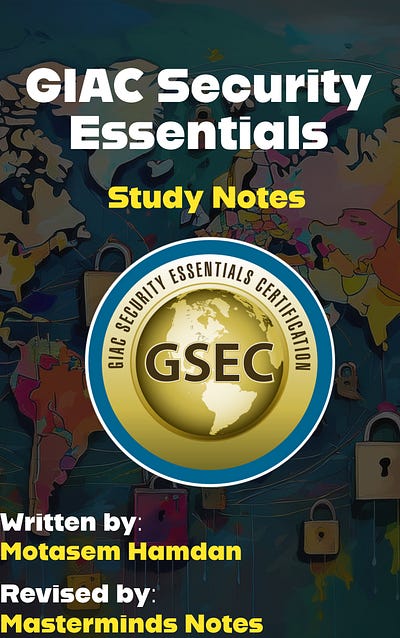
GIAC GSEC Study Notes & Guide
The GIAC Security Essentials is an extensive study guide designed for the GIAC Security Essentials (GSEC) certification exam. The e-book covers foundational and advanced topics in cybersecurity, offering a mix of technical knowledge, defensive strategies, and practical skills required for securing IT environments.
Table of Contents:
The book is organized into well-defined domains, each tackling a vital area in cybersecurity. Here’s a breakdown of its major sections:
- Networking Fundamentals
- OSI & TCP/IP models
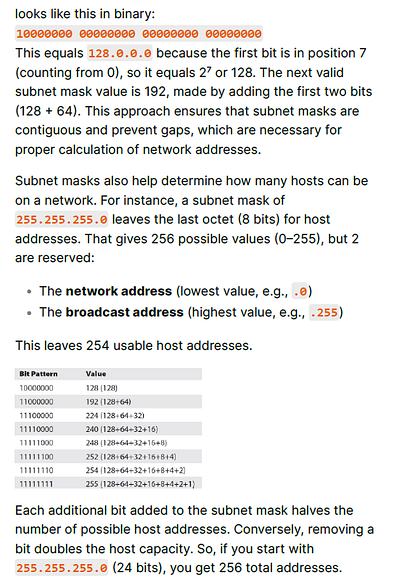
- IPv4/IPv6, Subnetting, Fragmentation
- TCP/UDP, ICMP, DNS, Protocol interactions
- Network Security Technologies
- Routers, Firewalls, IDS/IPS
- Stateful inspection, NAT, Deep Packet Inspection
- Authentication & Access Control
- Authentication types, SSO, RADIUS/TACACS
- Authorization models (RBAC, MAC, ABAC)
- Cloud Computing
- Cloud types (SaaS, IaaS, PaaS)
- Security risks and infrastructure as code
- Application Development & DevOps
- Agile development, CI/CD, Microservices
- SDLC security integration
- Linux & Windows System Security
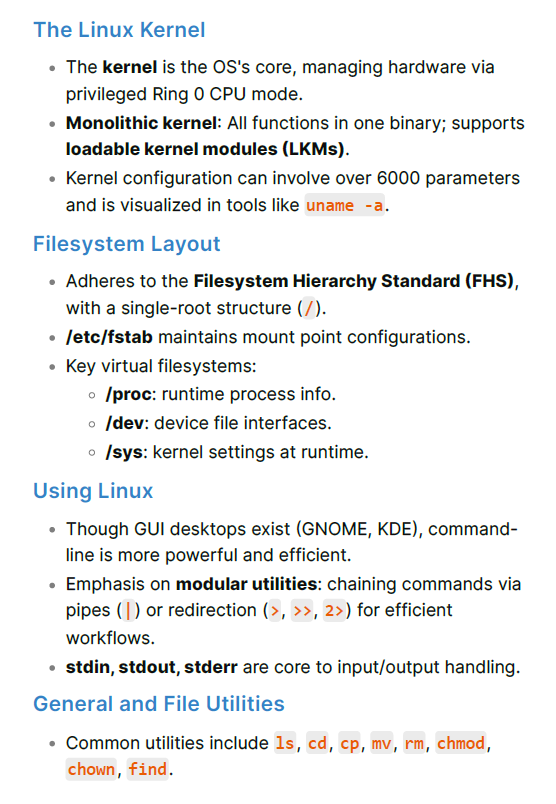
- Linux kernel, commands, file permissions
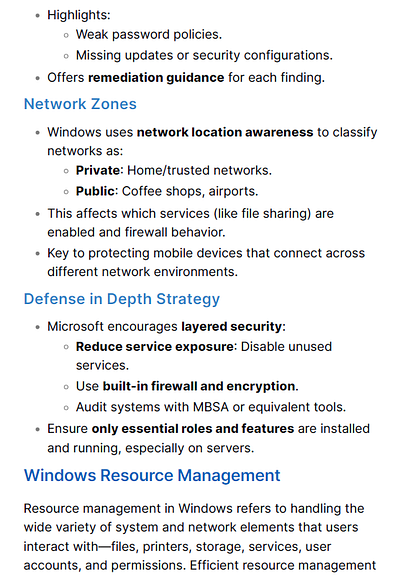
- Windows networking, group policy, Active Directory
- Vulnerability Management
- Risk frameworks (NIST, ISO), Patch mgmt
- Vulnerability scanning, CVE databases
- Cryptography & Encryption
- Symmetric/Asymmetric encryption, PKI
- Steganography, Digital certificates, Cryptographic attacks
- Malware & Threats
- Virus, Worms, Trojans, Ransomware
- Anti-virus evasion, infection vectors
- Incident Response & Information Warfare
- NIST response lifecycle
- OPSEC, threat models like Cyber Kill Chain
- Wireless & Log Management
- Wi-Fi, Bluetooth, NFC, RFID
- SIEM tools, log rotation & retention
Page Count: 162
Format: PDF

How to Get GIAC GSEC Study Notes?
You can buy the book directly by clicking on the button below

GIAC GSEC Review: Is GSEC Worth It?
Pros:
- Highly respected in the cybersecurity industry.
- Practical, not just theoretical — shows you can apply what you know.
- Backed by the SANS Institute, a gold standard in cybersecurity training.
- Boosts employability for security analyst, SOC analyst, and IT security roles.
Cons:
- Expensive — especially if you go with full SANS training.
- Other certifications (like CompTIA Security+) are more affordable for beginners.
- Not as recognized outside the U.S. as some other global certs (like CISSP or CEH).
Bottom Line: If you’re serious about building a career in cybersecurity and can afford it (or have employer sponsorship), the GSEC is a strong, practical credential that adds real value — especially early in your career.
Free Blue Team Training
Checkout the playlist below on my YouTube channel for free Blue Team Training