Cyber Security Compliance for Banks & Financial Institutions in 2025
In today’s financial world, compliance isn’t just about checking off boxes, it’s about survival.
In today’s financial world, compliance isn’t just about checking off boxes, it’s about survival.
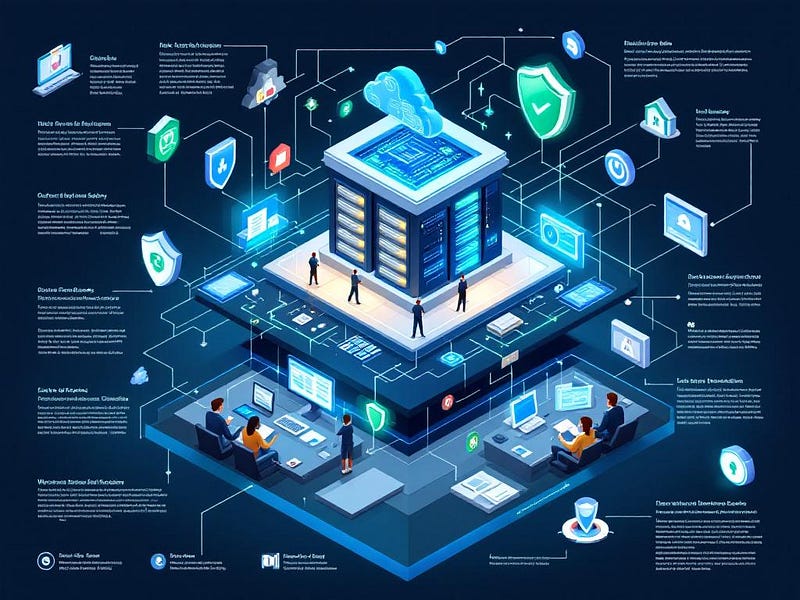
Banks and financial institutions are under constant pressure to protect sensitive data, comply with complex global regulations, and avoid the kind of breaches that make headlines and drain millions. From PCI DSS and GLBA to PSD2 and NIS2, the rules are growing tougher, and so are the penalties for getting it wrong.
Why Cybersecurity Compliance Is a Big Deal for Banks
Think of cybersecurity compliance not as paperwork you check off but as a strategic shield. Banks handle incredibly sensitive data, think customer IDs, bank records, transaction histories, making them a high‑value target for attackers. The average financial data breach cost reached nearly $6.08 million in 2024.
On top of that, global and regional regulations like PCI DSS, ISO/IEC 27001, SWIFT CSP, SOX, GLBA, PSD2, NIS2 and more require institutions to keep their act together or face penalties ranging from hefty fines to jail time.
Compliance brings clarity, it helps you identify your crown jewels (data and systems), know where you stand with tools and policies, and improve your ability to respond swiftly to incidents.

Want to Master Cybersecurity Compliance in Finance?
Stay ahead of evolving regulations like PCI DSS, GLBA, and NIS2. Learn how to secure financial systems, pass audits, and avoid costly fines
Join the Cybersecurity Compliance Academy , Get expert-led training, practical labs, and industry-recognized certification!

Core Regulatory Standards Banks Often Need to Meet
Here’s a snapshot of key frameworks and regulations that shape financial cyber‑security compliance:
- PCI DSS — Mandatory for anyone handling credit card data. Non‑compliance can cost from $5,000 to $100,000+ per month.
- ISO/IEC 27001 — A globally recognized standard for information security management. Voluntary but often essential for external trust.
- SWIFT CSP — Required for organizations using SWIFT messaging: focuses on access control, incident response, and secure system operations.
Plus region-specific laws like:
- GLBA (US) — Requires strict customer data safeguards and transparency .
- SOX (US) — Governs financial records and reporting practices .
- PSD2 (EU) — Regulates electronic payments and strong customer authentication.
- NIS2 (EU) — Expands cyber‑security duties for critical entities, including banks .

Best Practices to Align With Compliance
Here’s a friendly, prioritized list of what I’d advise any bank or financial institution to do to meet and exceed compliance requirements , plus some expert-level context:
- Build a layered security policy architecture, starting with a global policy and tailoring sub-policies by department or function like vendor access, remote work, passwords, UAM, etc.
- Adopt Zero Trust and secure your extended perimeter, especially with remote work and cloud infrastructure stretching your boundaries.
- Make security people-first, because human error accounts for over 70% of breaches. Train employees, raise awareness, and monitor risky behavior.
- Use the principle of least privilege, apply just‑in‑time access, and enforce strict privileged access controls.
- Manage passwords wisely: enforce unique, strong credentials, use password managers or passwordless options, and rotate regularly.
- Monitor privileged users and third parties with session recording, keystroke logging, and access tracking to identify threats early.
- Implement Cyber Supply Chain Risk Management (C‑SCRM) so you don’t inherit vulnerabilities via vendors or partners.
- Protect and classify your data: implement data confidentiality, integrity, and availability, retention and deletion policies.
- Add biometric and behavioral authentication to strengthen MFA and detect anomalous user behavior via UEBA.
- Enforce Multi-Factor Authentication (MFA) across all access points, isn’t just a recommendation, it’s often required by PCI, PSD2, SWIFT CSP, GDPR, etc.
- Perform routine cybersecurity audits and self‑audits, mapping your controls to actual regulation requirements to identify compliance gaps early.
- Streamline your tech stack, use integrated platforms that combine user activity monitoring, PAM, incident response, reporting, and UEBA to reduce friction and cost.
Expert Tips
Create a compliance matrix: map required controls (access control, incident response, vendor risk, etc.) against all regulations relevant to your institution, this helps avoid duplication and simplifies audit prep.
Use frameworks like CIS Controls to align security programs directly to regulatory needs, financial sector mappings are already developed.
Leverage automation; automate monitoring, reporting, alerts, and audit data collection to stay responsive and minimize human error.
Make insider risk a core concern, banks see around 34% of incidents caused by insiders. User behavior monitoring (session replay, access metadata, anomaly detection) isn’t optional; it’s essential.
Conclusion
Building cyber‑security compliance in financial services is a journey, not a one‑off project. You’ll want to:
- Assess which mandatory and voluntary standards apply.
- Conduct risk assessments and self‑audits.
- Implement layered controls, focusing on access management, data protection, monitoring, and training.
- Audit continuously, using a well‑designed compliance matrix.
- Automate where possible to improve accuracy and reduce overhead.
- Focus on insider risks via behavior analytics and privileged user tracking.
By following these steps and embracing tools that consolidate policy enforcement, monitoring, incident response, and reporting, you’re not just checking regulatory boxes, you’re building a resilient, attack-ready infrastructure trusted by customers, regulators, and stakeholders alike.