CompTIA Security+ vs Blue Team Level 1 (BTL1) | Which one is best for you?
When entering the cybersecurity field, certifications play a crucial role in establishing your knowledge and skills. Blue Team Level 1…
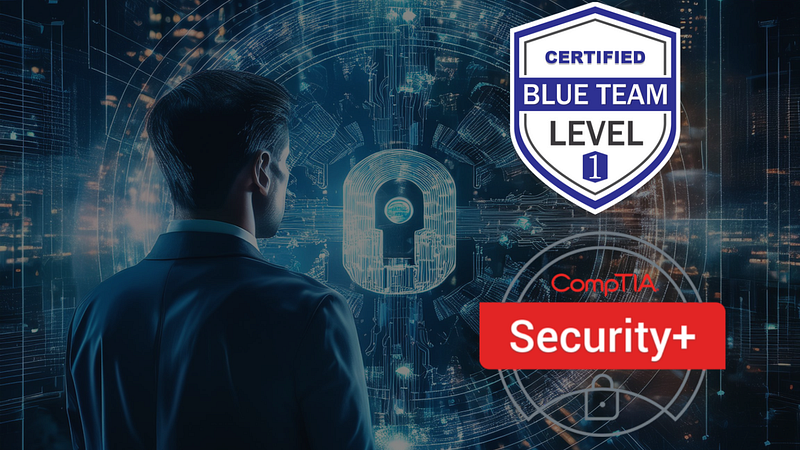
When entering the cybersecurity field, certifications play a crucial role in establishing your knowledge and skills. Blue Team Level 1 (BTL1) and CompTIA Security+ are two popular entry-level certifications, but they focus on different areas within cybersecurity. This article compares these certifications to help you determine which is the best fit for your career goals.

What is Blue Team Level 1 (BTL1)?
Blue Team Level 1, offered by Cyber Defense Certified Professional (CBTNuggets or the Blue Team Academy), is a certification focused on practical, hands-on skills required for defensive cybersecurity roles. It is designed to equip learners with the knowledge and techniques to detect, analyze, and mitigate cyber threats.
Key Focus Areas:
- Threat detection and analysis.
- Incident response.
- Defensive security tools and techniques.
- Practical skills for a Security Operations Center (SOC) analyst role.
Ideal For:
- Individuals aspiring to work in blue team roles, such as SOC analysts or cybersecurity analysts.
- Those looking for hands-on, practical experience in cybersecurity defense.
What is CompTIA Security+?
CompTIA Security+ is a vendor-neutral certification that provides foundational knowledge of cybersecurity principles, tools, and techniques. It is recognized worldwide as a standard for entry-level cybersecurity roles.
Key Focus Areas:
- Basic cybersecurity concepts and principles.
- Risk management and compliance.
- Cryptography, identity management, and network security.
- Preparing for broader roles in cybersecurity.
Ideal For:
- Beginners seeking a strong foundation in cybersecurity concepts.
- Individuals interested in a wide range of cybersecurity domains.
Comparison: Blue Team Level 1 vs. CompTIA Security+
CategoryBlue Team Level 1 (BTL1)CompTIA Security+FocusHands-on, defensive security (blue team).Broad cybersecurity knowledge and concepts.Target AudienceAspiring blue team professionals.General cybersecurity beginners.ContentIncident response, threat analysis, SIEM tools.Risk management, cryptography, network security.Practical SkillsHigh emphasis on practical, real-world scenarios.Minimal; focuses more on theory.Exam FormatPractical challenges and simulations.Multiple-choice and performance-based questions.RecognitionNiche in the blue team/defensive field.Widely recognized and valued across industries.Cost~$300–$400 USD~$370 USDDifficultyModerate; assumes some basic technical skills.Moderate; designed for beginners.PrerequisitesFamiliarity with cybersecurity basics recommended.None required, though basic IT knowledge helps.
Strengths of Blue Team Level 1
Hands-On Focus:
- Provides practical, real-world experience that is directly applicable to blue team roles.
Specialized Content:
- Focused on defensive tactics, threat hunting, and incident response, making it ideal for SOC analyst roles.
Tool Proficiency:
- Teaches industry-standard tools like SIEM platforms (e.g., Splunk) and intrusion detection systems.
Job-Ready Skills:
- Prepares candidates for roles like SOC analyst, threat analyst, or cybersecurity analyst.
Strengths of CompTIA Security+
Broad Appeal:
- Recognized as a foundational certification for general cybersecurity roles.
No Prerequisites:
- Accessible to complete beginners, making it ideal for those new to IT and cybersecurity.
Industry Standard:
- Accepted by employers worldwide as proof of entry-level cybersecurity knowledge.
Diverse Career Options:
- Opens doors to various cybersecurity and IT roles, including network administration, system security, and risk management.
Salary Comparison
CompTIA Security+
- Average Salary Range: $65,000–$90,000 annually (depending on role, location, and experience).
- Who Earns Higher Salaries?
- Professionals who use Security+ as a stepping stone to specialized certifications or roles.
- Government and compliance-related positions, where Security+ is often a requirement.
- Common Factors Influencing Salary:
- Broad applicability in cybersecurity and IT roles.
- Recognition as an entry-level certification for compliance frameworks like DoD 8570.
Blue Team Level 1 (BTL1)
- Average Salary Range: $70,000–$100,000 annually (depending on role, location, and experience).
- Who Earns Higher Salaries?
- Those employed in Security Operations Center (SOC) analyst roles or other specialized defensive security positions.
- Professionals who directly contribute to threat detection and incident response.
- Common Factors Influencing Salary:
- Specialized focus on defensive operations and monitoring.
- Hands-on skills with security tools like SIEM platforms and threat intelligence systems.
Factors Influencing Salaries for Both Certifications
- Experience Level: Higher salaries come with experience and demonstrated skills.
- Industry Demand: High-demand sectors like finance, healthcare, and government often pay more.
- Additional Skills: Combining certifications like Security+ or BTL1 with tools (e.g., Splunk, Wireshark) or advanced certifications can boost earning potential.
- Geography: Salaries vary significantly based on location, with urban tech hubs offering higher pay.
Job Roles Comparison
CompTIA Security+ Job Roles
Security+ focuses on foundational knowledge, making it ideal for individuals starting in cybersecurity or transitioning from IT. Common roles include:
Information Security Analyst
- Monitor systems for vulnerabilities and respond to potential breaches.
- Implement security measures to protect data and systems.
IT Security Administrator
- Maintain security policies and manage access controls.
- Configure and monitor firewalls, antivirus, and other security tools.
Network Administrator
- Secure network infrastructure and ensure secure data transmission.
- Monitor and maintain network security systems.
Compliance Analyst
- Ensure compliance with regulatory frameworks like GDPR, HIPAA, or PCI-DSS.
- Prepare audits and security documentation.
Blue Team Level 1 (BTL1) Job Roles
BTL1 focuses on defensive cybersecurity operations, making it well-suited for roles within Security Operations Centers (SOCs) and blue teams. Common roles include:
SOC Analyst (Level 1)
- Monitor SIEM systems for anomalies and alerts.
- Investigate potential security incidents and escalate as needed.
Threat Analyst
- Analyze threat intelligence data to identify emerging risks.
- Provide actionable recommendations to prevent attacks.
Incident Responder
- Respond to security breaches and investigate causes.
- Develop containment and mitigation strategies.
Log Analyst
- Review and analyze system logs for signs of malicious activity.
- Identify patterns indicative of potential breaches or vulnerabilities.
Which Certification Leads to Higher-Paying Roles?
CompTIA Security+:
- Leads to broader IT and security roles, which may have lower starting salaries but offer versatility for career growth.
- Acts as a gateway certification for more advanced credentials (e.g., CISSP, CASP+).
- Ideal for roles requiring knowledge of compliance and security principles.
Blue Team Level 1 (BTL1):
- Positions you for specialized, in-demand roles like SOC Analyst and Threat Analyst, which typically command higher salaries.
- Hands-on focus makes it valuable for organizations with active defensive operations.
- Better suited for individuals aiming to work directly in blue team or incident response roles.
Which Certification Should You Choose?
Choose Blue Team Level 1 if:
- You want to specialize in blue team or defensive cybersecurity roles.
- You prefer hands-on training with practical applications of tools and techniques.
- You are targeting roles like SOC analyst, threat hunter, or incident responder.
Choose CompTIA Security+ if:
- You are new to cybersecurity and need a broad understanding of its principles.
- You aim for generalist roles or want to explore different cybersecurity domains before specializing.
- You want a globally recognized certification that can be a stepping stone to other advanced certifications (e.g., CISSP, CEH).
Can You Do Both?
Yes, many professionals pursue both certifications as they complement each other well. Starting with CompTIA Security+ gives you a solid theoretical foundation, while Blue Team Level 1 provides practical skills for defensive security roles. Together, they make a strong combination for someone entering the cybersecurity field.
Advice on Certification Path
- Start with CompTIA Security+ if you’re new to cybersecurity. It provides the foundational knowledge necessary for beginners.
- Progress to BTL1 if you have a solid grasp of cybersecurity concepts and want to develop practical, hands-on skills in cyber defense.
Conclusion
The video concludes by emphasizing the importance of building a strong conceptual foundation before advancing to specialized certifications. For newcomers, CompTIA Security+ is the recommended first step, while BTL1 is ideal for those ready to deepen their expertise in defensive cybersecurity.