Certs vs Experience in IT & Cyber Security: How Employers Really Weigh Them
Introduction

Introduction
When I first started applying for cybersecurity roles, I was confused , should I stack certifications like Security+, CEH, or CISSP, or should I grind away at hands-on experience through labs, internships, or freelancing gigs? The truth is: most job descriptions I read back then seemed to want both. And if you’ve looked at job boards lately, you’ll notice the trend hasn’t changed.
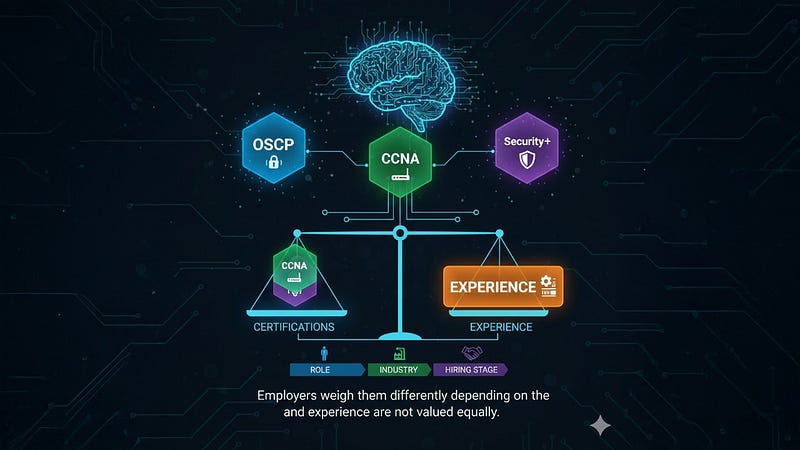
But here’s the nuance most people don’t talk about: employers don’t value certifications and experience equally across all roles, levels, and industries. Let me break down what I’ve seen both as a candidate and later as someone reviewing resumes and helping hiring managers decide who to call in for interviews.
What the Job Descriptions Say
If you skim through LinkedIn or Indeed listings in 2025 for cybersecurity jobs, you’ll see some clear patterns:
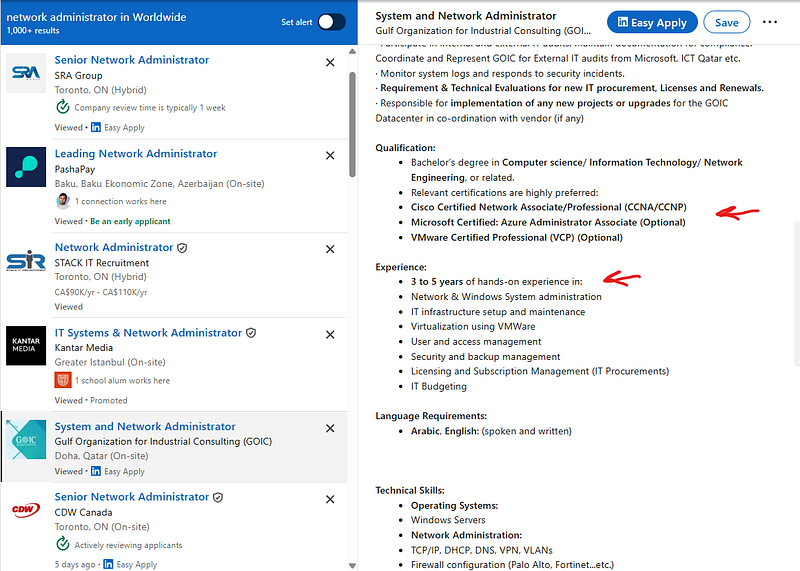
- Entry-Level Roles (SOC Analyst, IT Security Support):
Job posts almost always say something like “Bachelor’s degree or equivalent experience. CompTIA Security+ or similar preferred.” What this really means is: if you’re new, the cert gets you past the HR filter. - Mid-Level Roles (Penetration Tester, Incident Responder):
Listings lean on “3–5 years of experience, OSCP/CEH/GIAC certifications a plus.” The cert here is not a deal-breaker, but it signals commitment and technical credibility. - Senior Roles (Security Engineer, Security Architect, CISO track):
You’ll often see “10+ years of progressive experience. CISSP or CISM required.” At this stage, the cert is just a checkbox. What matters most is proven leadership, project execution, and the ability to speak the language of risk and business.
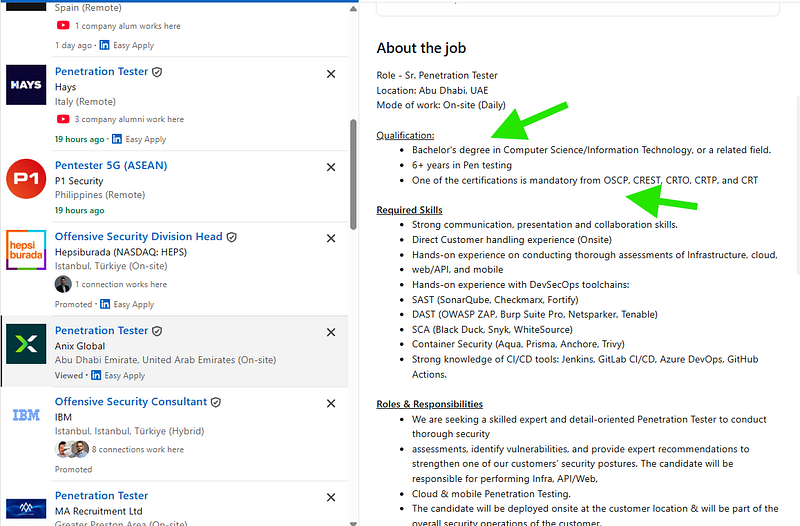
When I helped review resumes for a mid-sized tech company, we rejected about 60% of applicants right at the screening stage because they lacked either a baseline cert (like Security+) or direct experience in the tooling we used (SIEM, EDR, Active Directory hardening). So yes , employers use both as filters, but not equally.
How Employers Really Weigh Them
Here’s the blunt truth I’ve seen:
- Certs open doors. They show you know the fundamentals and can pass a standardized test. HR and recruiters lean heavily on them because they’re easy to verify.
- Experience wins offers. Once you get into the interview loop, what lands you the job isn’t your CISSP number. It’s how convincingly you explain your role in containing a ransomware incident, or how you escalated privileges in a red team engagement.
Think of it like this:
- Certifications = your ticket into the room.
- Experience = your ability to stay in the room and walk out with the offer.
Real Numbers to Back It
I like to ground this in actual hiring data. According to (ISC)²’s 2024 Cybersecurity Workforce Study:
- 70% of hiring managers said certifications were “very” or “somewhat” important in screening candidates.
- 91% said hands-on experience was the “most important factor” when making a final decision.
LinkedIn job data from 2025 backs this: postings requiring Security+ jumped by 23% in the last two years, but postings that explicitly required years of experience (like “3+ years incident response”) still outnumbered them by more than 3:1.
So when employers weigh them, certs are the quick filter; experience is the anchor.

My Take as Someone in the Hiring Process
When I sit on hiring panels, here’s how I really view resumes:
Both certs and experience: Golden ticket. That candidate moves fast to the interview shortlist.
No certs, no experience: Pass. It’s too risky for a security-sensitive role.
Certs but no experience: Worth a phone screen. I want to see if you’ve done labs, homelabs, CTFs, or internships. Motivation counts.
Experience but no certs: Much stronger. If you’ve actually deployed Splunk, run phishing simulations, or patched hundreds of endpoints, I don’t care if you don’t have letters after your name.


So, What Should You Do?
If you’re reading this because you’re unsure whether to chase certs or experience first, here’s my framework:
But your value will be measured in strategy, mentorship, and boardroom conversations about risk.
Breaking In:
Get a foundational cert (Security+, Google Cybersecurity Cert, or even Cisco’s CCNA Cyber Ops).
Pair it with real lab experience , build a homelab, document your work on GitHub or LinkedIn.
Climbing Mid-Career:
Prioritize role-aligned certs (OSCP for pentesters, GCIA/GCIH for SOC analysts, CCSP for cloud).
Focus on “stories of impact” , be ready to narrate how you solved incidents, not just list the tools.
Senior Level:
Get the checkbox certs (CISSP, CISM) because HR will ask.
Final Word
If there’s one thing I’ve learned in cybersecurity hiring, it’s this: certifications help you get noticed, but experience gets you remembered. Don’t let anyone tell you it’s purely one or the other. The best careers I’ve seen , and the best candidates I’ve hired , build both, deliberately and at the right stages.